
|
The Trees and Design Action Group (TDAG), brings together individuals, professionals, academics and organisations from wide ranging disciplines in both the public and private sectors to improve knowledge and good practice to support the role of urban trees through better collaboration in the planning, design, construction and management and maintenance of our urban places.
What we do How we are funded Our governance |
Support our work
Make a donation through
InvestMyCommunity here |
NewsTDAG Newsletter – July 2024
This includes TDAG events and activities; events organised by others and an extensive list of new publications and research. Please let us know if you have any events or information to share and we will include them in our next newsletter. Contact details are below. 
Reflections on Trees, People and the Built Environment 5
Collaboration was the positive theme of the conference. We reflect on the discussions and possible next steps.
Futurebuild – full knowledge programme recordings
You can access all the sessions for the Futurebuild Conference, the National Retrofit Conference and the seminars across five stages covering Buildings, Energy, Materials, Sustainable Infrastructure and Digital here. The sessions on the Sustainable Infrastructure stage are of particular interest including the Treeconomics/TDAG session on Finding your way through the urban forest with Kenton Rogers and Keith Sacre. Available here.
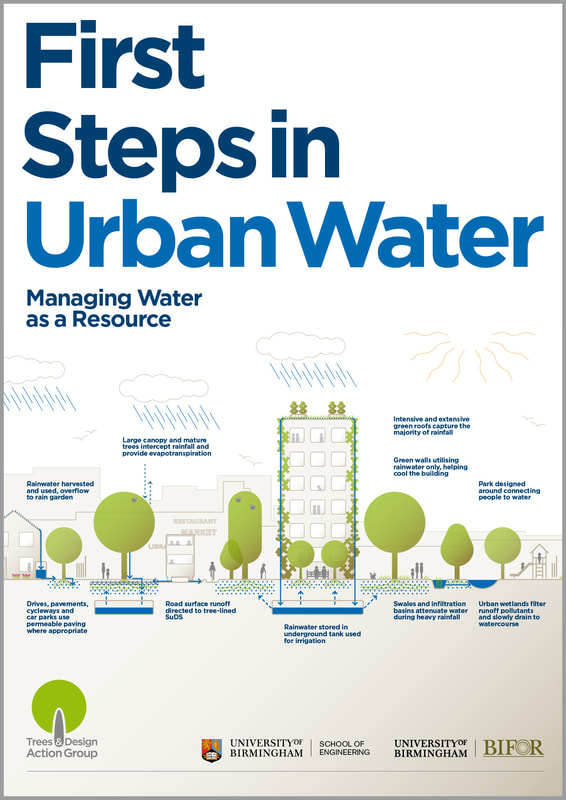
Sustainable water resource management is essential to reduce the impact of flooding, prepare and respond to droughts, while improving water quality. Trees and other green infrastructure play an important role in sustainable water resource management – but also need effective water resource management to survive and thrive in urban areas. Our latest short guide, which is relevant for all working in the built environment, explains how we can and should be managing water as a resource, with a focus on the role of trees and other green infrastructure in urban areas. Available here.
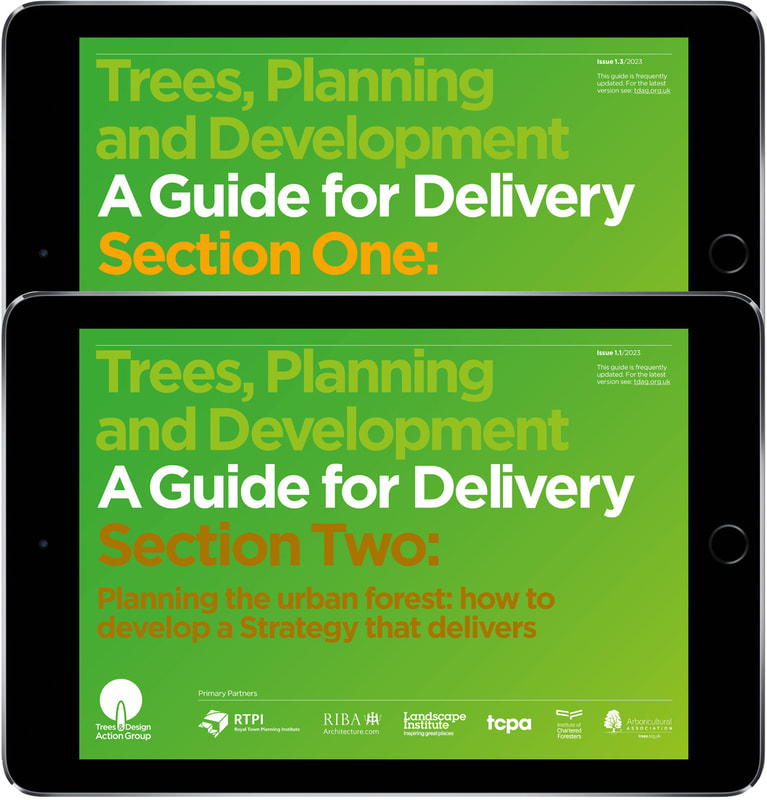
This is published alongside an update of Section One and outlines how such a strategy can be developed for local authorities and for all owners of trees and woodlands.
Accompanying this, Appendix: Urban forest sustainability performance Indicators for the UK is an aid to monitory progress once a strategic plan has been agreed. Briefing Note 01: Legislation, policy and guidance on trees and development throughout the UK adds further support. With the evidence-based understanding that urban trees can delivery multiple social, environmental and economic benefits particularly in the context of our two critical challenges of climate change and biodiversity decline, ensuring that existing urban trees are retained and that new trees are a requirement for all new developments, TDAG is calling for all local authorities to have adopted tree strategies. Available from Our Guides. |
Core funders
European partnerCPD partnerAdministrative supportContact usAll matters
Sue James [email protected] Seminars Emma Ferranti [email protected] Follow us Please note: TDAG does not have the resources to comment on individual tree cases or other local issues. | ||||||||||